
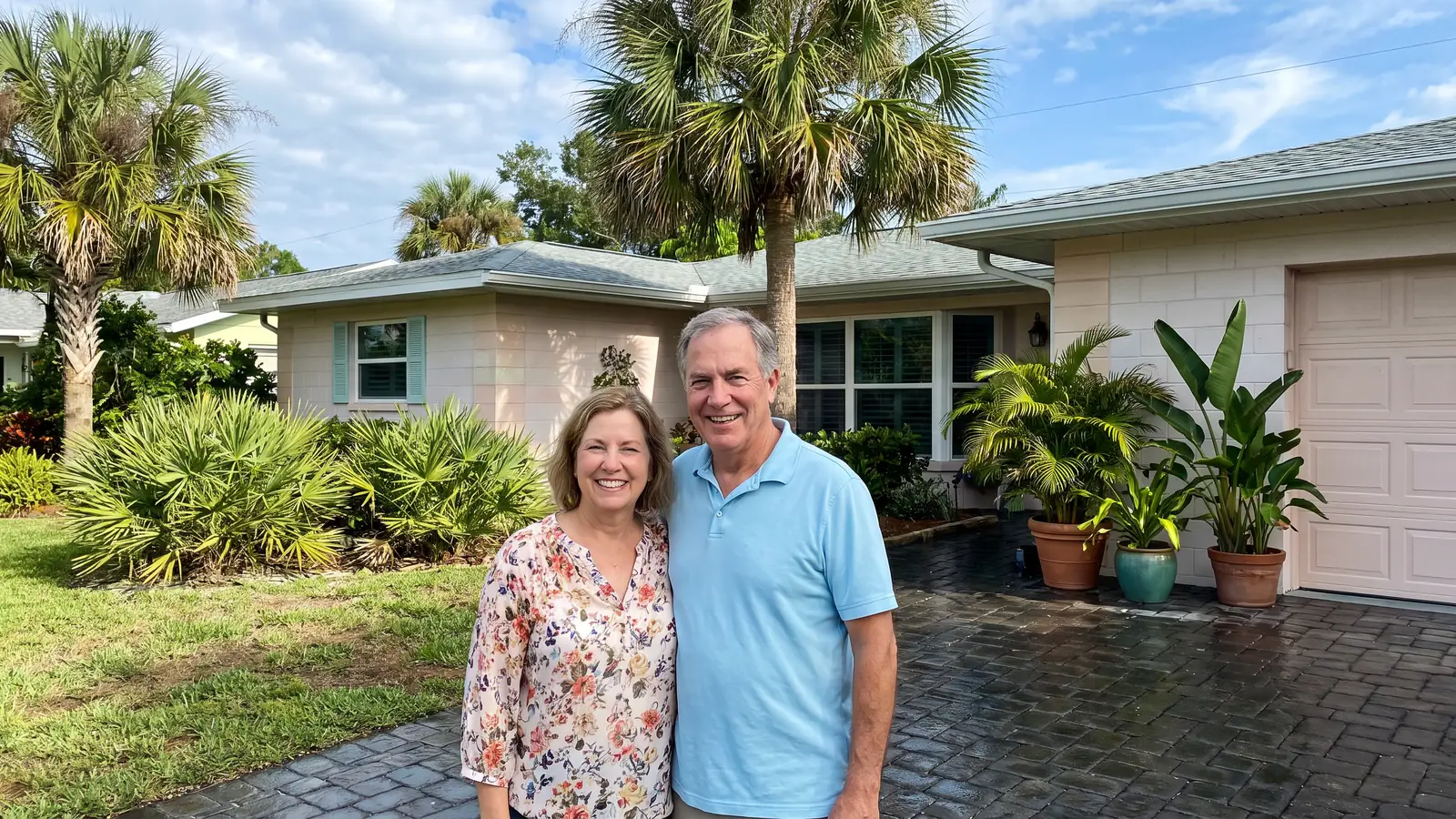
Paver sealing for Lake Asbury homes
Paver Sealing in Lake Asbury, FL
From the lake to the Hyland Trail streets, Lake Asbury pavers get a free sealing estimate when you call (904) 914-8201.
- Brings out deeper paver color
- Fresh joint sand helps lock pavers in place
- Gives weeds less room to grow
- Makes the surface easier to keep clean
- Free estimate, no obligation
Request a Free Estimate
Free, no obligation.
Fast, careful paver sealing in Lake Asbury
Paver sealing in Lake Asbury starts with a free estimate from a local contractor who cleans, re-sands and seals driveways, lanais and walkways. Replies land within 1 business day, often well before that. Call (904) 914-8201 and tell the contractor which neighborhood you live in.
Lake Asbury has grown from 2,228 people in 2000 to 11,036 in 2020, so your pavers may be brand new or decades old. New ones need a waiting period before sealing, and older ones often show gray joints and faded color. Either way, a free look sorts out what they need, and you can request your free estimate to set one up.
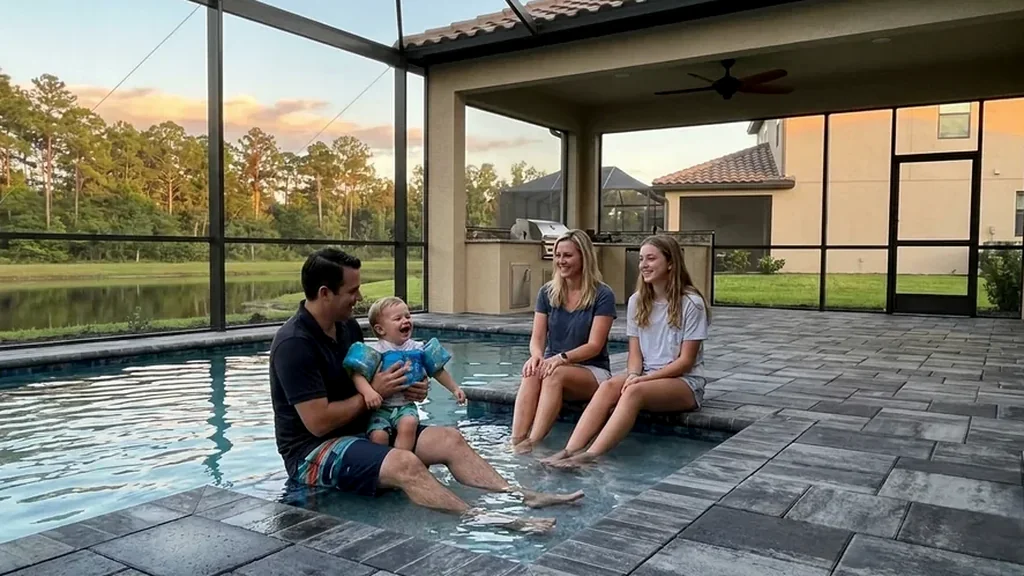
Why hire a local paver sealing contractor in Lake Asbury?
Lake Asbury is changing fast, with new communities beside homes from the 1970s, and the right plan depends on how old your pavers are. To talk through yours, request your free estimate.
Free look, no obligation
Show a contractor the driveway, lanai or walk. The estimate is free, and the decision stays yours.
The published number
Published First Coast pricing is $1.75 to $3.25 per square foot for the full job. Use it to check any Lake Asbury quote.
New pavers get honest timing
Pavers installed in the last few months may need to wait before sealing. The contractor tells you the date range up front. That keeps the sealer from failing early.
Older drives get a real check
A drive from the 1970s or 1980s may carry an unknown old coat. The contractor tests it before choosing a product. Ask for the result in writing.
Get Your Free Estimate in Lake Asbury
Tell us about your pavers in Lake Asbury.
Free, no obligation
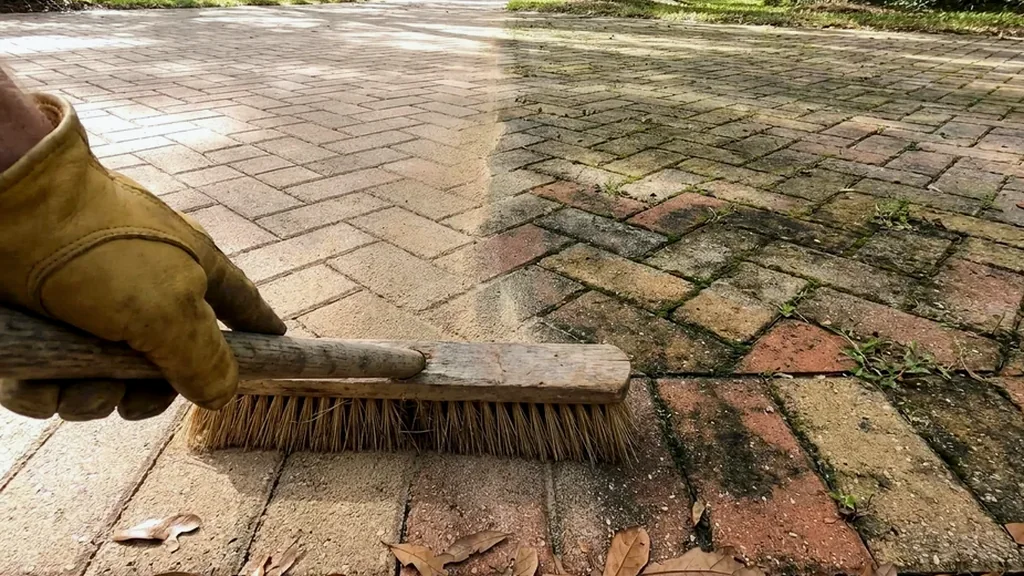
What paver problems show up most in Lake Asbury?
Sand that drains straight through
The USDA describes the Penney soil series, first described in Clay County, as excessively drained fine sand with rapid permeability. A county horticulture agent says sites here are generally sandy and dry. Water moves down fast, and it carries joint sand along. A paver company says heavy rain carries joint sand away, which is why sealing the new sand matters. Low corners near the street and the edges of the drive are where the loss shows first. If you can see sand in the gutter after a storm, that sand came from your joints. A drive can look fine on top while its base quietly loses support underneath, so low corners deserve a second look.
New pavers that are sealed too early
Many Lake Asbury homes are new, with more than 3,000 on the way. Two Northeast Florida paver companies say new pavers should wait about 60 to 90 days before sealing. Sealing sooner traps moisture and can show up as white haze. A reliable contractor will ask the install date first. Builders often finish pavers shortly before a home closes, so the install date may be close to your move-in date. Ask the contractor to write the earliest sealing date on the estimate, so there are no surprises later.
Black Creek and heavy rain
Black Creek holds a record crest of 28.5 feet, above a 1919 record, and the Lake Asbury Junior High has served as a shelter. Most sampled Lake Asbury addresses are outside the FEMA flood hazard area, but heavy storms still leave water on low driveways. Damp pavers must dry before sealing. If your driveway slopes toward the street or a ditch, water leaves quickly. If it slopes toward the garage or a flat yard, it can sit. Tell the contractor which way water runs on your lot. A contractor who asks about your drainage before quoting is doing the job right.
Rust streaks from well water
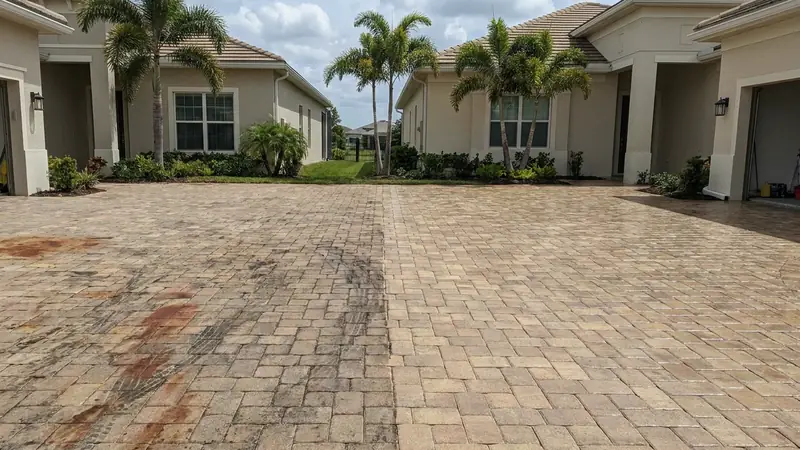
UF/IFAS says Florida well water is often high in iron, and irrigation with it leaves orange streaks. If your lot irrigates from a well, look for rust lines where spray hits the pavers. Those get treated before sealing, because a coat would lock them in. Iron stains that have set for years may lighten but not fully vanish, and the contractor should say that before the work begins. Turning spray heads away from the pavers keeps new marks from forming.
Fading on older homes
One real estate profile says the tracked homes in Lake Asbury run from the 1960s to newer builds, with a median year of 1978. Pavers beside older homes have had years of sun. Expect two to five years between coats, with full-sun driveways at the short end of that span. Sun is the main reason color fades, and sealer slows it. A drive with weeds or ant hills along the joints is already telling you it is ready for sand and a coat, since both mean the joints are empty. Ask the contractor to test a small spot so you can see the result before the whole job.
Should paver sealing in Lake Asbury differ for new communities and older streets?
Yes, because age changes the first step. A new driveway in Hyland Trail, The Glens or Edenbrooke may need to wait, while an older one on Arthur Moore Drive or Lake Asbury Drive may carry an old coat. Real estate data lists homes in Lake Asbury from the 1960s to newer builds. Give the age of your pavers when you request your free estimate.
Hyland Trail homes run from about 1,500 to more than 3,500 square feet, and Edenbrooke is a 55 and older neighborhood. Granary Park was planned with about 700 homes on Sandridge Road. Ask your HOA, if you have one, what its written rules say about appearance changes, since state law ties its review to those rules. Call (904) 914-8201 and mention your community.
Older areas include Asbury Plantation, Asbury Creek, Glenwood Estates and Battery Bluff, according to one real estate report. Those blocks often have established oaks and longer drives. Water oak acorns stain concrete where they fall, which matters under big trees. If that is your yard, request your free estimate and mention the trees.
What does paver sealing cost in Lake Asbury?
First Coast companies publish $1.75 to $3.25 per square foot for the clean, sand and seal, with the number set after the joints are looked at. A Jacksonville cost guide says homeowners in Green Cove Springs and Middleburg sometimes find lower pricing because of less competition and simpler access. Lake Asbury is not named, so ask for a written quote rather than assuming. To get one, request your free estimate.
Lake Asbury jobs move within the range with sand loss, an old failed coat and shade growth. Setup time stays about the same on a small job, so the cost per square foot runs higher. Give the size and age of your pavers when you call (904) 914-8201.
| Paved area | Typical example | Clean, sand and seal |
|---|---|---|
| 300 sq ft | Small patio or walkway | $525 to $975 |
| 600 sq ft | Two car driveway | $1,050 to $1,950 |
| 1,000 sq ft | Large driveway or pool deck | $1,750 to $3,250 |
| 1,500 sq ft | Driveway plus pool deck | $2,625 to $4,875 |
Math based on the $1.75 to $3.25 per square foot that Northeast Florida paver companies publish. Your contractor sets the actual price after seeing the surface. Repairs, leveling and stripping failed sealer are usually extra.
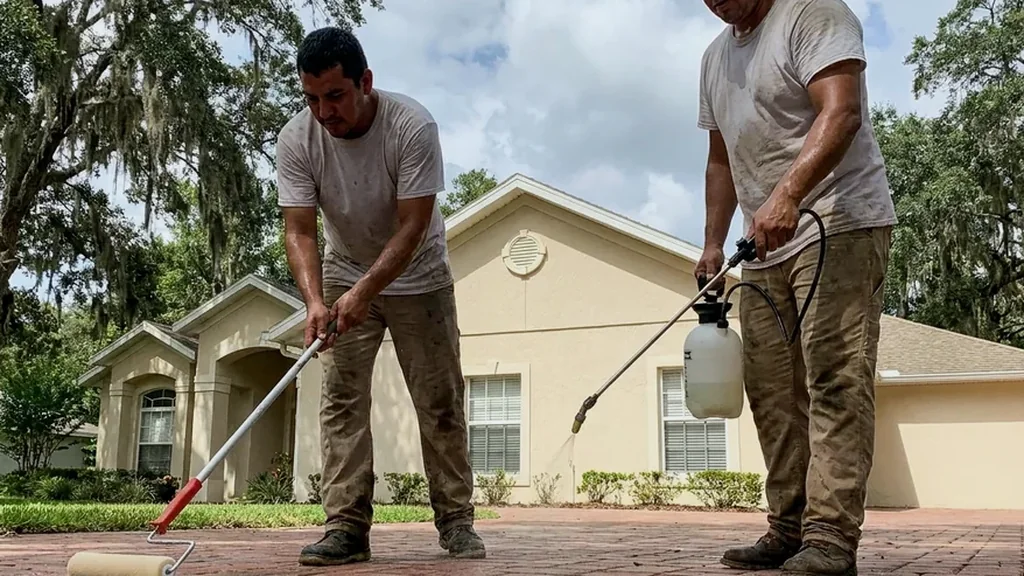
How does a paver sealing job work in Lake Asbury?
Ask the age of the pavers
The contractor starts with the install date. New pavers under about 60 to 90 days are asked to wait. Older ones are checked for low spots, since sunken sections get reset before sealing. Photos of the closing papers or an invoice from the builder can settle the date, and the contractor can plan from there.
Find out what is on the surface
A quick test shows if an old coat is down. Alliance Gator says sealers come solvent-based or water-based, and a water-based product cannot go over solvent-based. If the old coat has failed, it is stripped first. If the old coat is peeling or patchy, say so on the first call. Stripping adds cost, and it is better to hear that in the estimate than on the day.
Wash and refill the joints
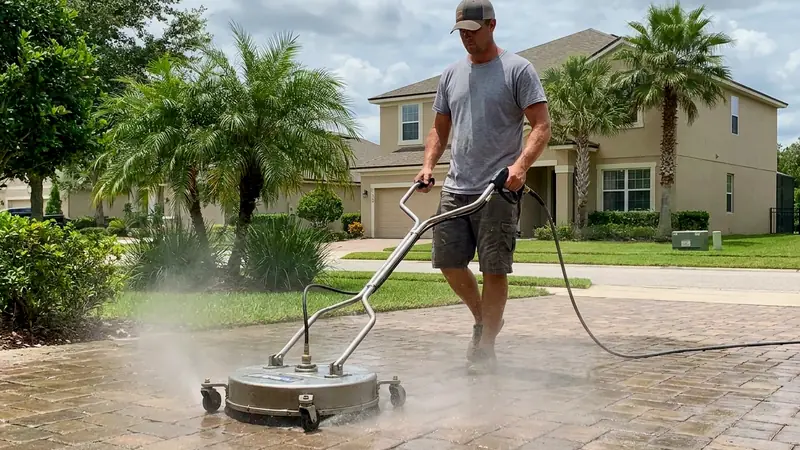
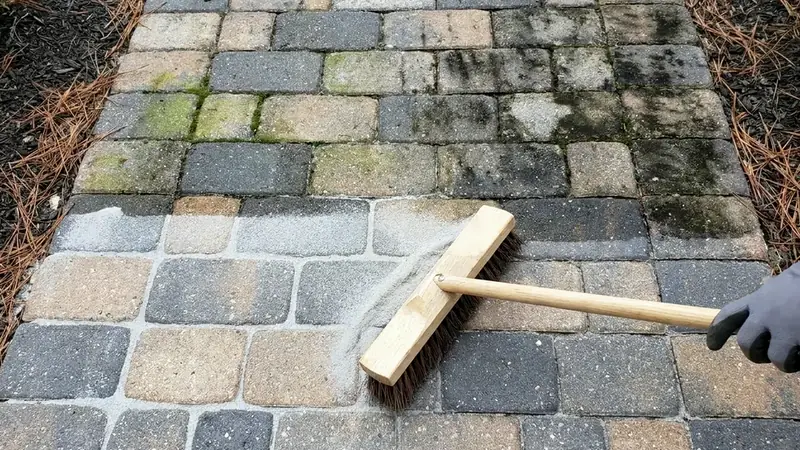
Cleaning removes oak stains, rust and mildew. Then fresh sand fills every joint, since sandy ground and heavy rain empty them quickly. The surface is swept clean before drying. Ask about colored joint sand if the grout lines matter to you. Some companies offer tan, gray and black, and the sand shows after the sealer sets. If the sand has been low for years, plan for this step to take longer.
Let the pavers dry
The surface must be dry, with no storm in the forecast. Jacksonville's wet season peaks from May to September, so the contractor may shift the date. Sprinklers stay off through the cure. Ask how many dry days the contractor wants before and after. Sealer that gets rained on before it cures can cloud, so a firm forecast matters more than a fixed date.
Apply the sealer
Sealer is sprayed on and then back-rolled. A St. Johns County paver company says sealer cures in 24 to 48 hours depending on temperature and humidity. Ask the contractor how long to stay off on your day. Keep the invoice with the product name and finish on it, so a later coat can match. Skip parking on it until the contractor confirms the sealer has cured.
Complete paver services in Lake Asbury
Before anything else, a Lake Asbury contractor asks how old your pavers are and tests for an old coat. Those two answers decide the wash, the sand and the sealer that follow. For a timeline on your drive, call (904) 914-8201.
Long drives near oaks collect leaf stains, lanais pick up furniture marks, and pool decks see splash. Each surface gets its own wash and its own finish choice. Say what you have when you request your free estimate.
Sealer is water-based or solvent-based, and the old coat decides which one can go on. Then you choose matte or a wet look. Acrylics are the economical choice but can scratch, while tougher products cost more. Call (904) 914-8201 and the contractor can lay out the trade-offs.
Storms in Clay County come short and heavy through the wet season, so a Lake Asbury date can slide. The contractor checks the forecast and will not seal damp pavers. To find a date that fits your week, request your free estimate.
Questions to ask before you hire
- Can you seal the driveway now and the back patio later?
- Will the sealer make my driveway slippery when it rains?
- Will I get a written estimate with the square footage before I agree to anything?
- Who do I reach if one spot looks uneven after the job?
- How long do my pavers need to dry before the sealer goes on?
- How many hours until I can park on the driveway again?
- Does your insurance cover damage to my screen enclosure or siding?
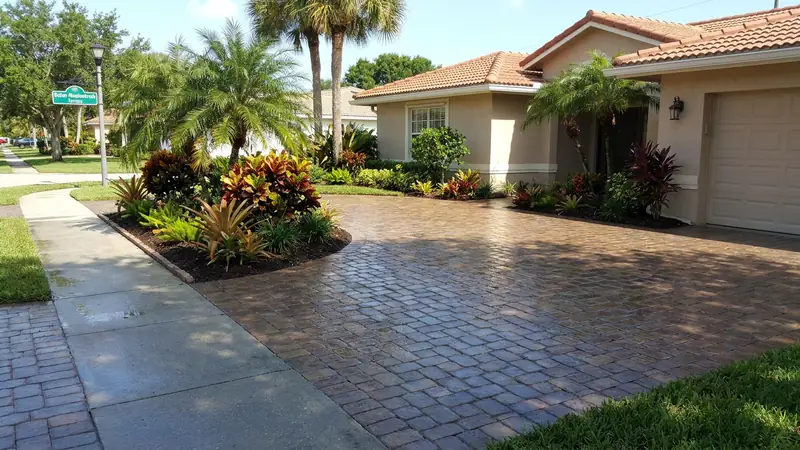
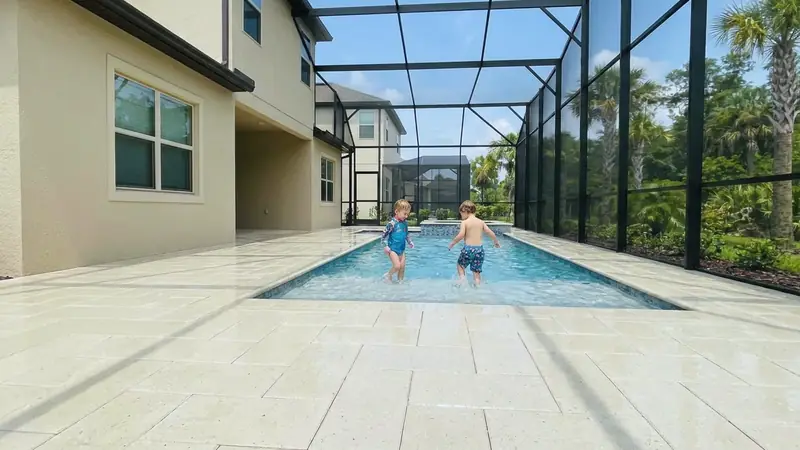
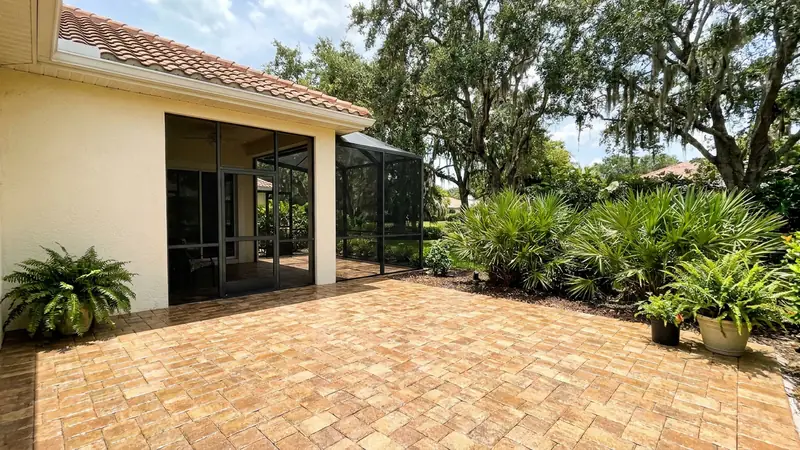
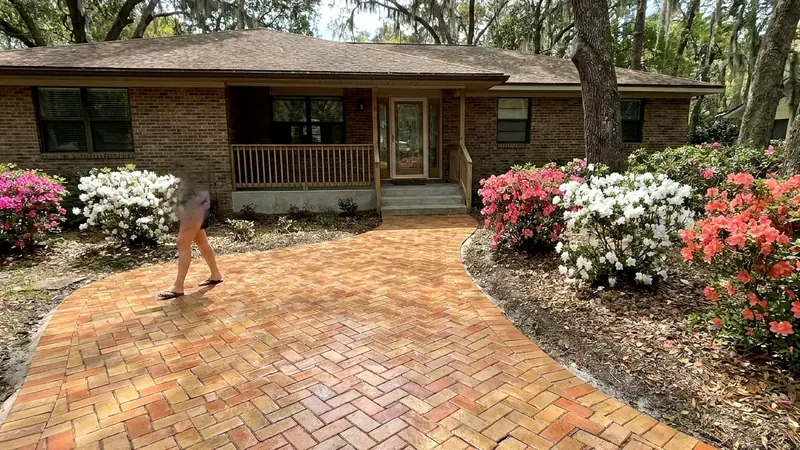
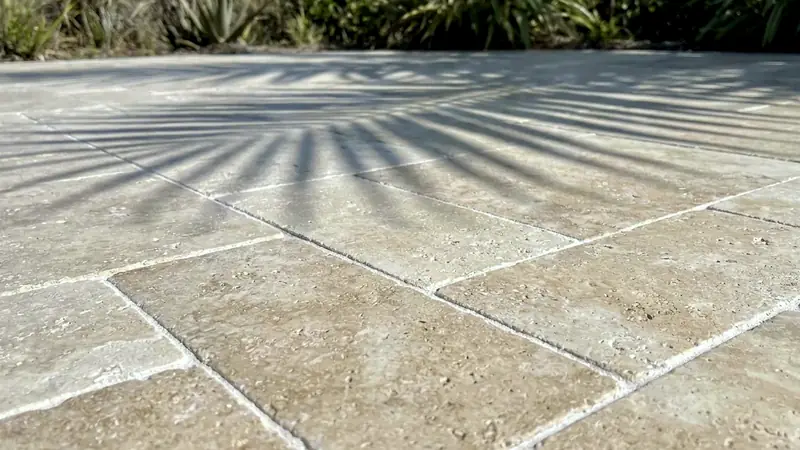
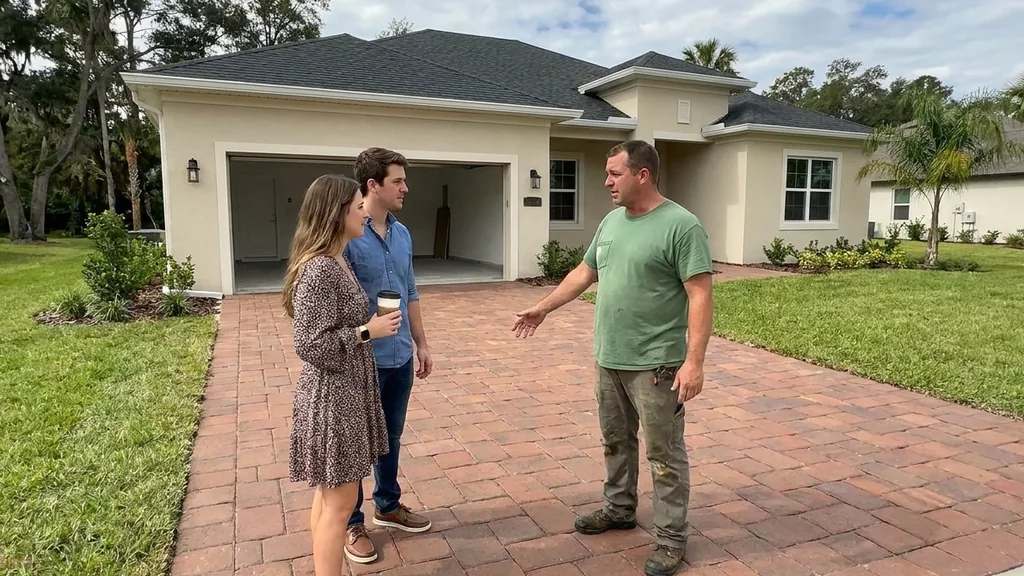
What do sealed pavers look like around Lake Asbury?
Why local matters in Lake Asbury
Lake Asbury mixes brand-new streets with homes from the 1970s, so every first call starts with the age of the pavers. A contractor who skips that question may seal too early. Asking it saves you a cloudy coat. To talk with a contractor who works Lake Asbury and the roads around it, call (904) 914-8201.
Local knowledge also covers drive times. Lake Asbury's main roads are two-lane, including County Road 218 and Sandridge Road. A contractor who knows the roads plans arrival times honestly. You can request your free estimate and ask about scheduling.
Lots here vary, and some irrigate from a well. Rust from iron-heavy water and leaf stains from oaks are both worth raising before the wash. A local contractor asks about both. If your yard has a well, request your free estimate and say so.
What is Lake Asbury known for, and why does it matter for pavers?
Lake Asbury is known for its namesake lake, which offers fishing, kayaking and canoeing, and for fast growth. It sits north of Penney Farms, northwest of Green Cove Springs and east of Middleburg. The Clay County master plan, approved in 2005, called for a blend of rural and planned suburban growth. If your street is one of the new ones, call (904) 914-8201 and share when it was built.
Black Creek forms the area's northern edge, and low ground along it can hold water after a big storm. County Road 218 and Sandridge Road are the main routes through. If you live near the lake, Black Creek or Sandridge Road, request your free estimate and say where.
Frequently Asked Questions
Should I seal my pavers in Lake Asbury?
Generally, yes. Clay County ground is sandy, and sealed joints keep their sand through heavy rain. Brand-new pavers need a couple of months before the first coat, so timing depends on when yours went in.
Is it better to spray or roll paver sealer in Lake Asbury?
Most pros do both. They spray first, then back-roll to work the sealer into the joints and even out the coat. Rolling alone can leave lap marks. Ask which method the contractor plans, and why it suits your pavers.
Are pavers a good driveway material in Lake Asbury, Florida?
Many homeowners choose them. A contractor can reset a single sunken section instead of redoing a whole drive. Pavers still need sand in the joints and a fresh coat every few years. Ask the contractor what base work was done under yours, since a weak base is a leading cause of sinking.
Why is paver sealing so expensive in Lake Asbury?
A big share of the price is labor before the sealer is ever opened: washing, joint sand, stain work and a full dry. A Jacksonville company says prep takes about 2 to 3 hours for each hour of sealing. On a small job that labor spreads over fewer square feet, so the rate climbs.
How much does it cost to seal pavers in Lake Asbury?
Expect $1.75 to $3.25 per square foot for the whole job, going by First Coast companies. A failed old coat or heavy sand loss pushes a Lake Asbury job higher. Put the total square footage in writing, and find out what the quote includes, like stain work, repairs and stripping.
When can I seal new pavers in Lake Asbury?
Give them about 60 to 90 days, which two Northeast Florida paver companies advise. The wait lets moisture out and shows whether white haze will form. The contractor can treat the haze first. Ask the contractor what date range they want to see on the install papers.
Does my Lake Asbury HOA have to approve paver sealing?
That depends on your community's own rules. Under Florida law an association's review of appearance reaches only as far as its declaration or published guidelines state or reasonably imply. A natural matte coat rarely changes the look, but check your rules and ask for the guidelines in writing.
How many years can a sealed Lake Asbury driveway go between coats?
A sealed driveway here might wait two to five years for its next coat, going by commonly quoted figures. One Jacksonville company gives 18 to 24 months for full-sun drives and 24 to 36 months for shaded walks. A drop of water that beads means the coat is still working.
Will sealing stop weeds in my Lake Asbury paver joints?
It cuts them back a lot. A landscape trade group says weeds start where joints widen and soil gets in, and that sealing the joint sand is the leading way to prevent them. Joints already full of dirt need cleaning first. Ants nest where sand is missing, so full, sealed joints help there too.
How long should I stay off a freshly sealed Lake Asbury driveway?
One Jacksonville company says people can walk on it within hours, and cars should wait about a day. A St. Johns County company says cure takes 24 to 48 hours depending on temperature and humidity. Ask for the exact wait on your day.
Ready for a Free Estimate in Lake Asbury?
Call (904) 914-8201 and tell us about your pavers.
Free, no obligation