
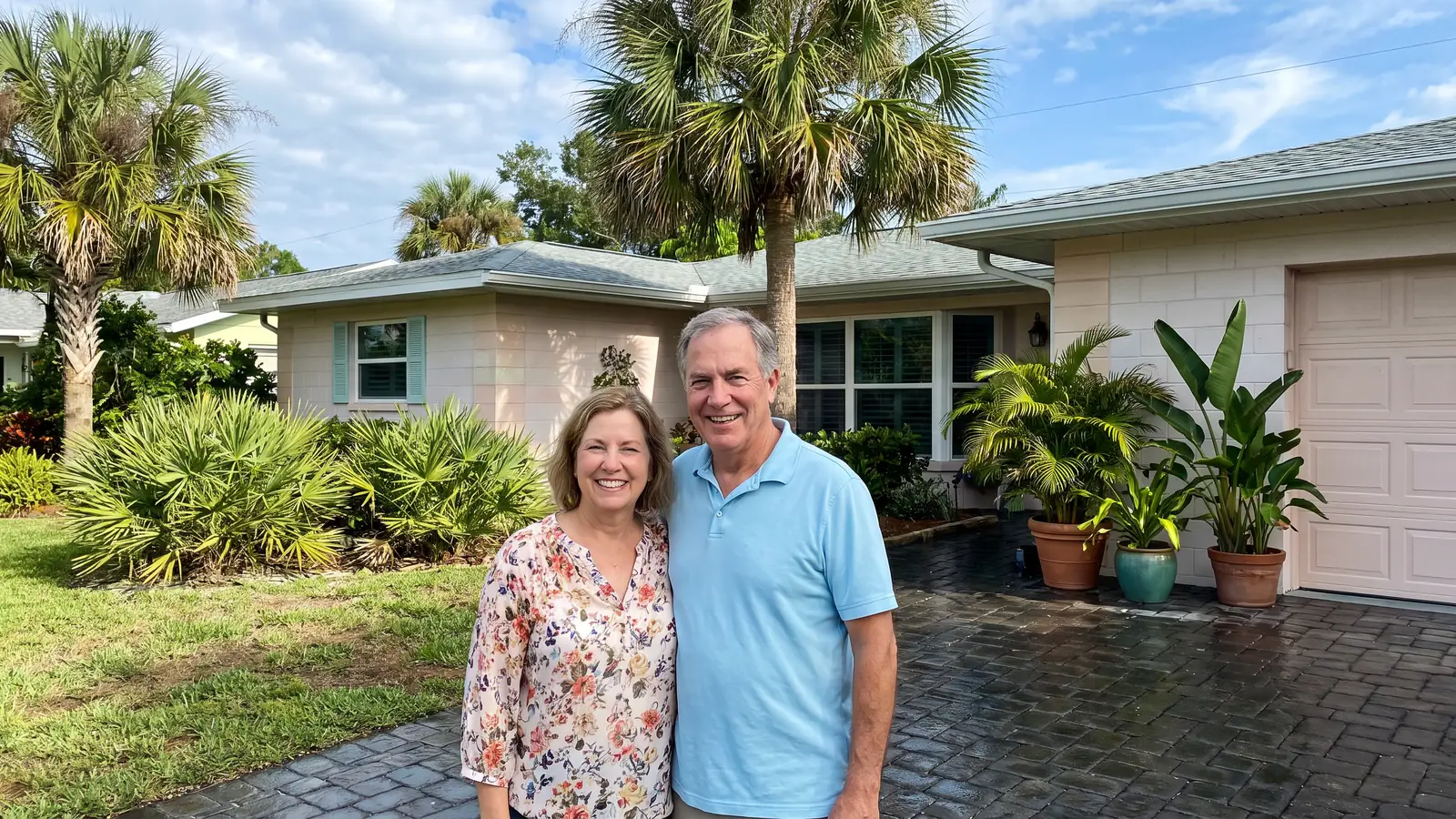
Paver sealing for Panama Park homes
Paver Sealing in Panama Park, FL
Old street trees and Trout River storms mark Panama Park pavers, so call (904) 914-8201 for a free sealing estimate.
- Brings out deeper paver color
- Fresh joint sand helps lock pavers in place
- Gives weeds less room to grow
- Makes the surface easier to keep clean
- Free estimate, no obligation
Request a Free Estimate
Free, no obligation.
Fast, careful paver sealing in Panama Park
Paver sealing is available in Panama Park, from the tree-lined blocks off North Main Street to the streets near the Trout River. Driveways, walks and patios here can be cleaned, re-sanded and sealed by a local contractor, with a free estimate. Whenever you request your free estimate, expect to hear back within 1 business day, and often much sooner.
You may know the look: a dull driveway, leaf stains from the street trees, and joints that have gone thin and gray. After a wash, new sand and a fresh coat, that same surface can read as one clean color again. Call (904) 914-8201 if you would like to describe your own driveway first.
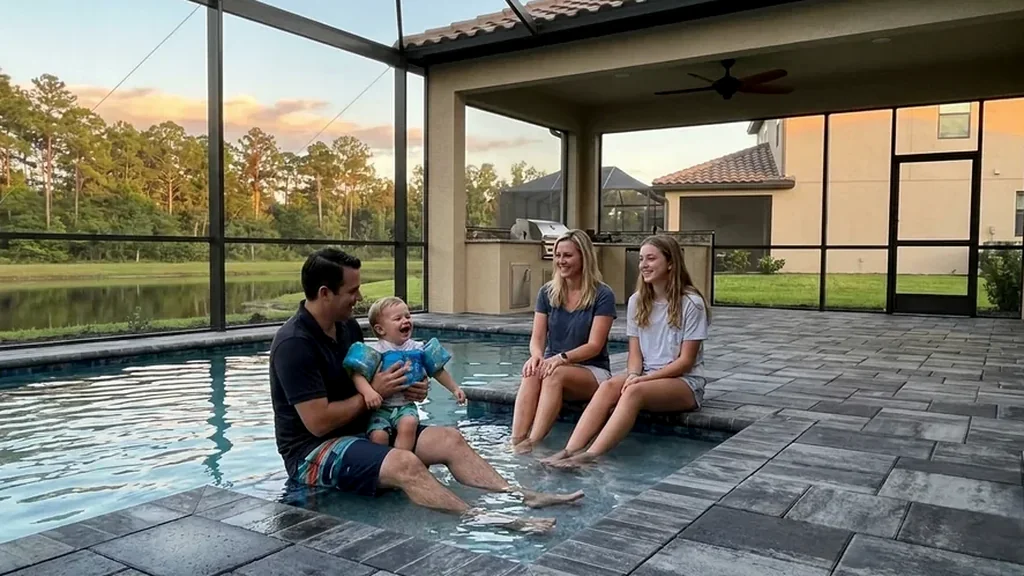
Why hire a local paver sealing contractor in Panama Park?
Panama Park is an older neighborhood with big trees and a river nearby, so no two driveways behave alike. A local contractor reads those differences, and you can request your free estimate to have yours looked at.
Walk the lot first
The contractor visits your Panama Park lot and measures the pavers at no charge. A price arrives before any work is agreed.
A range to compare
Region-wide, published prices run $1.75 to $3.25 per square foot to clean, sand and seal. Hold your quote up against it.
A finish that fits older homes
A matte coat suits brick and older siding. A wet look adds depth, but it shows scuffs sooner.
No pressure to book
The estimate carries no obligation. You pick the day and the finish, and you can say no.
Get Your Free Estimate in Panama Park
Tell us about your pavers in Panama Park.
Free, no obligation
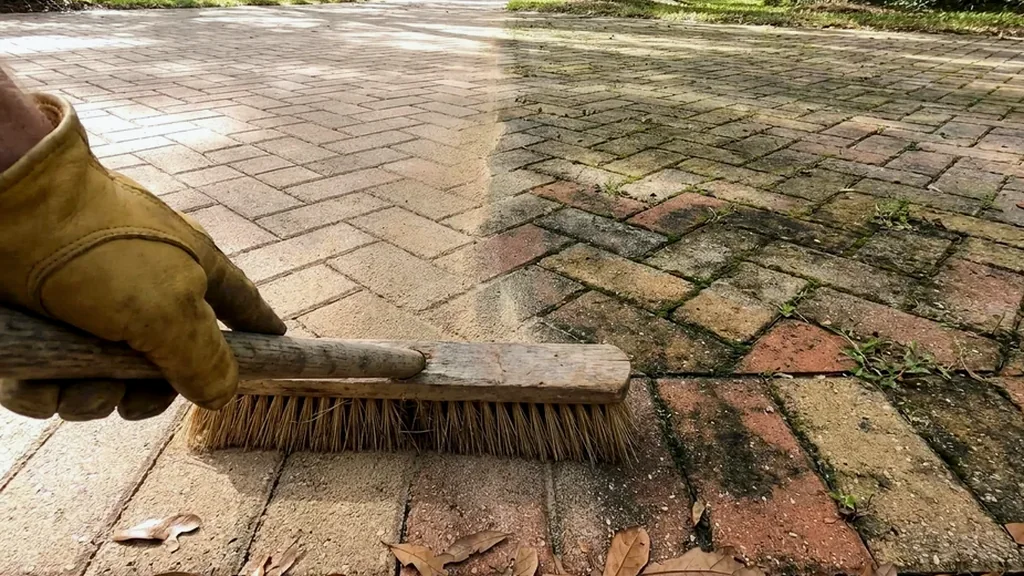
What paver problems show up most in Panama Park?
Leaf litter and stains from old street trees
An early promotion for Panama Park said over 8,000 trees lined its streets, with magnolias, oaks, olives and cedars. Many mature trees still shade the older blocks. Leaves and sap leave stains on pavers, and shade keeps them damp. A damp, shaded patio grows green film faster than an open drive, so it needs a longer wash. On a street with big magnolias, even a clean drive collects a fresh layer of litter by the weekend. A coat helps that litter sweep or rinse off without leaving a shadow. Leaves collect in joints and hold moisture against the stone. In shade that moisture stays for days, which is why green film starts there. The contractor looks at which side of your lot gets the least sun. Sweeping leaves off between jobs slows the build-up.
Trout River water in a storm
The Trout River can flood in a hurricane and overflow in a big storm. Pavers that sit under storm water collect silt and move out of level. A sunken spot gets reset before sealing, since sealer would only keep the dip. Silt gets washed off first. River storms do not only flood, they also push the St. Johns up its tributaries. That is why the contractor asks when your lot last took water and where it pooled. The Trout River is 20 miles long, brackish at its lower end, and 0.6 miles across at its widest point near the St. Johns. A meteorologist said a hurricane can push the St. Johns up its tributaries. That is why water can reach streets that rarely flood. If your lot has ever taken water, tell the contractor.
Sandy soil and summer downpours
The ground under Duval County is sandy, and Jacksonville gets about 52 inches of rain a year, mostly from May to September. Safe Touch says summer storms pull sand from driveways. Open joints then let weeds root. New sand and a coat on top keep the joints filled. Sand loss is easy to spot from the curb. Look for dips along the tire path and small drifts in the gutter. Those are signs the joints are thin. The USDA says the Ortega soil series in Duval County is deep, moderately well drained sand, and that its water table rises above 48 inches for about 1 to 10 days after heavy rain in wet periods. A rising water table can soften the bedding sand under pavers. Sunken spots often follow, and they are reset first.
Pavers added to a house from the 1900s
Panama Park began as a railroad suburb in the early 1900s, and many homes are brick or older wood frame. Pavers on those lots are almost always newer than the house. Nobody may remember what sealer went on, and a water-based sealer cannot go over a solvent-based one. The contractor checks the surface before choosing the next coat. A paver company says previously sealed pavers must be evaluated before resealing. In older neighborhoods that check matters more, because records are rare. The contractor may test a small spot first. George Clark's 1905 plan required a sewer connection before a house could be occupied, a sign of how early the neighborhood was laid out. Pavers on those lots came much later. A contractor who sees an older house expects an unknown coat, so the surface is checked first.
Small lots and tight access
Clark's original plan set 25-foot front setbacks, so the older blocks follow a set pattern. A narrow side yard or a tight gate makes the work slower. Hand tools replace big machines in those spots. Smaller jobs can cost more per square foot, so ask how the quote treats a small walkway. A tight yard also limits where a contractor can set down gear and hoses. Mention a narrow gate or a shared drive early, and the quote will match the real work. Smaller yards mean hand tools instead of big machines. Mention a narrow side gate or a shared drive early, so the quote matches the real work. Hose runs and carrying gear add time, and the contractor will say so up front.
Does paver sealing differ near Main Street and near the Trout River?
It can. The blocks near North Main Street have older homes, including brick houses near 44th Street and historic homes on Oakwood Street. The streets closer to the Trout River deal with high-water history. Say which side of the neighborhood you are on when you request your free estimate.
Panama Park was planned in 1905 as a railroad suburb, and growth along North Main Street ran from World War II to about 1960. Many yards still hold the old trees, so shade shows up on driveways and walkways. Pavers laid in the last few decades may have no record of their sealer. Call (904) 914-8201 and describe your street.
ZIP 32208 counts about 57 percent of occupied homes as owner occupied, so the rest are rentals. A tenant who wants the pavers sealed should check with the owner first. Owners can book directly. Either way, you can request your free estimate to ask what a lot like yours would run.
What does paver sealing cost in Panama Park?
The published going rate in this part of Florida is $1.75 to $3.25 per square foot for cleaning, sanding and sealing. Safe Touch puts a strip-and-reseal above the base range when the old coat has failed. A Panama Park driveway and walk add up by the square foot. To price your own pavers, request your free estimate.
Four things move a Panama Park quote: leaf stains and green film that add wash time, silt from river water, an unknown old coat that may need stripping, and tight access that slows the crew. Call (904) 914-8201 and ask which apply to you.
Weather can shift the schedule but should not shift the price. A stormy week means waiting, since no one should seal damp pavers. Ask when the next dry stretch might open. A written quote keeps the numbers clear when you request your free estimate.
| Paved area | Typical example | Clean, sand and seal |
|---|---|---|
| 300 sq ft | Small patio or walkway | $525 to $975 |
| 600 sq ft | Two car driveway | $1,050 to $1,950 |
| 1,000 sq ft | Large driveway or pool deck | $1,750 to $3,250 |
| 1,500 sq ft | Driveway plus pool deck | $2,625 to $4,875 |
Math based on the $1.75 to $3.25 per square foot that Northeast Florida paver companies publish. Your contractor sets the actual price after seeing the surface. Repairs, leveling and stripping failed sealer are usually extra.
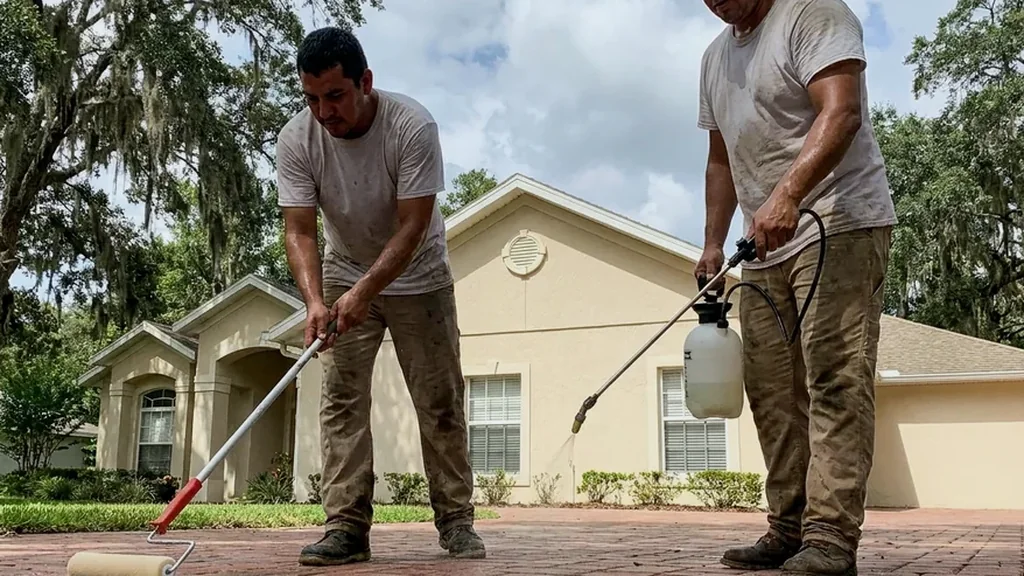
How does a paver sealing job work in Panama Park?
Start at the curb
The contractor begins by walking the drive, the paths and any patio. Leaf stains, lifted edges and low spots get noted, along with any sealer already on the stone. Pavers added to a house from the early 1900s can carry a coat nobody remembers. If your lot has taken river water, say so now. Take a look at your own lot before the visit. Note where water sits and where leaves pile up. Those notes save time at the estimate.
Clear the leaves, silt and film
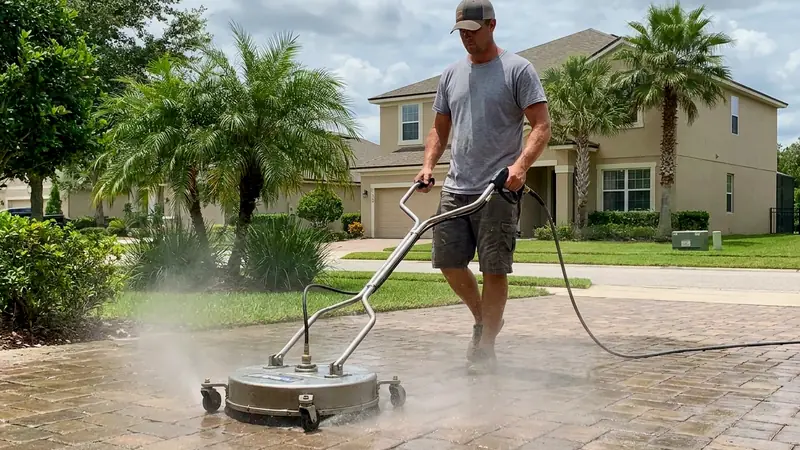
The wash lifts leaf stains, green film and any silt left by high water. Strong spray can pull sand from the joints, so the contractor keeps it gentle. Oil and rust marks get a pre-treatment. Paths under old trees may need a second pass. Plants and shrubs along the edge get a rinse and a cover. Furniture, bins and planters move off the area before the wash starts. A shaded path may need extra time.
Refill the gaps with sand
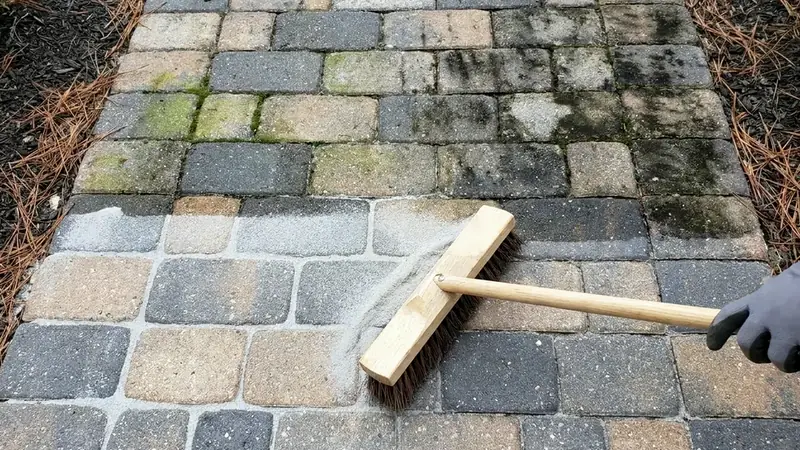
New sand goes into the thinned joints and is swept even. Full gaps hold the pavers together and give weeds little room. Skipped, this step leaves open gaps for the next hard rain. It always comes before the sealer. On sandy ground, the fill is worth doing carefully. A joint that stays empty invites weeds and lets the next storm carry more sand away. The contractor sweeps and tops up before moving on.
Check the sky and the stone
A Jacksonville company says white or cloudy sealer usually traces to trapped moisture or too much product. Shaded Panama Park walks dry slowly. The contractor waits, then looks again. Spring and fall often give the steadiest days. Dew can hold on shaded stone into the afternoon. A late start is normal and protects the coat. Fall often brings drier air than summer.
Seal in the finish you chose
The sealer goes on by spray, then a roller works it into the joints. Matte keeps an older house looking calm, while a wet look deepens color. Feet are fine on it within hours, but cars should wait about a day. Ask for the product name in writing. Keep the sprinklers off for a day and park on the street. Pets and kids should stay clear until the contractor says it is ready. Note the product name now, so a later coat can match.
Complete paver services in Panama Park
A Panama Park job has four moves in a fixed order: wash, sand, dry, seal. That order keeps leaf grime and silt from ending up under the coat. The dry move cannot be hurried. To ask how long each move takes on your lot, call (904) 914-8201.
Drives carry weight and tires, while paths near big trees stay damp. A back patio on an older lot may be tight, so hand work is common. Where a pool deck exists, it needs a finish that grips when wet. Describe your surfaces when you request your free estimate.
Choose water-based or solvent-based, then matte or wet look. A past owner's solvent coat keeps a water-based product from bonding. Quotes usually put the gap between coats at two to five years. To talk through a finish for an older home, call (904) 914-8201.
One Jacksonville company finds spring and fall the steadiest seasons for sealing. Summer storms arrive in minutes, and the Trout River can rise after a big one. The contractor books a dry window and may move the date. To ask about openings, request your free estimate.
Questions to ask before you hire
- How many hours until I can park on the driveway again?
- How long do my pavers need to dry before the sealer goes on?
- Will the sealer make my driveway slippery when it rains?
- Will you tell me the sealer brand and the finish, matte, satin or wet look, before the job?
- What happens to the weeds and moss growing in my joints?
- Can you fix pavers that sank or lifted near my pool or garage apron?
- Is there a fee if rain pushes my job back a day?
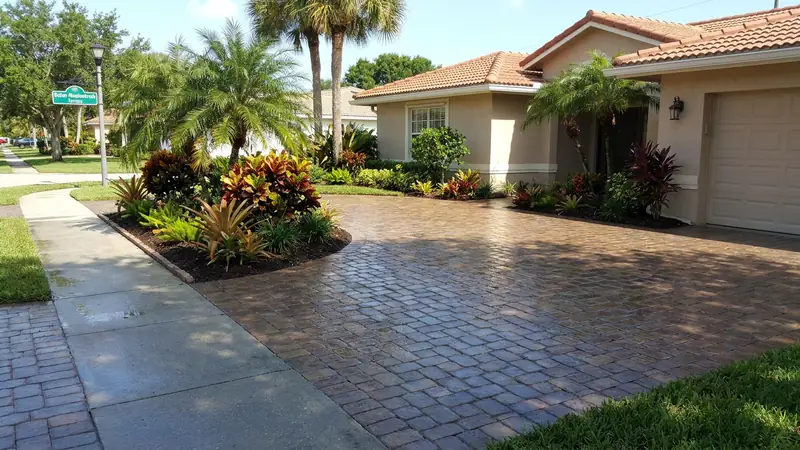
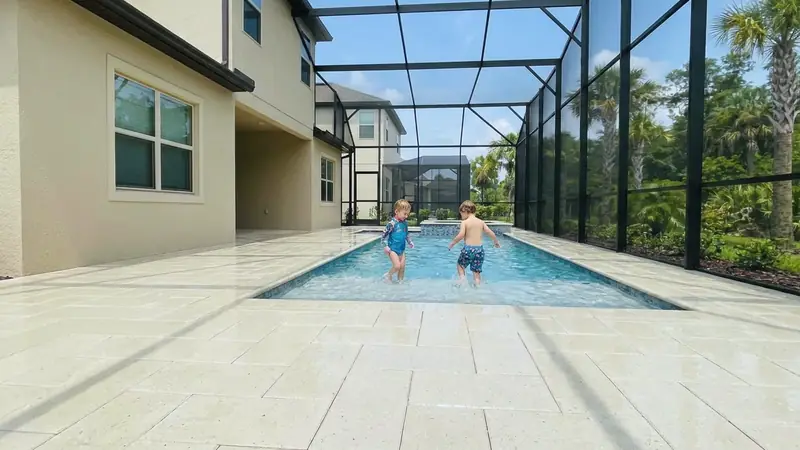
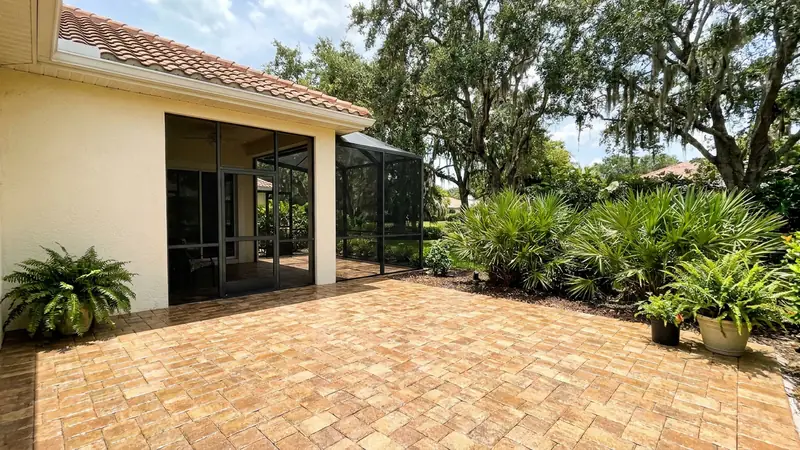
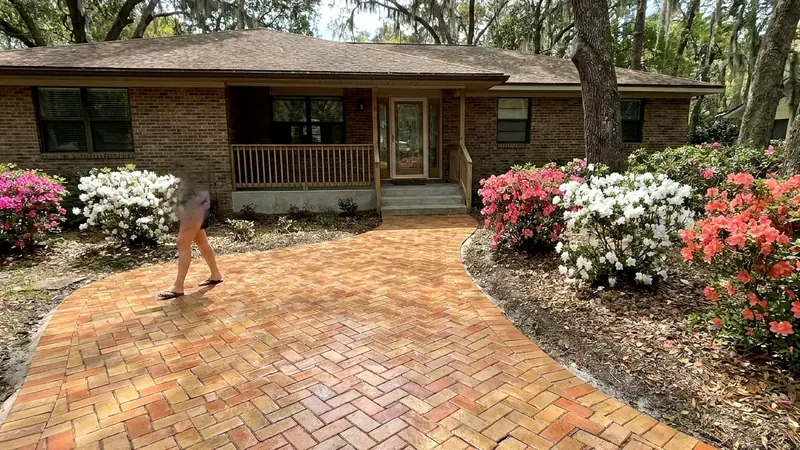
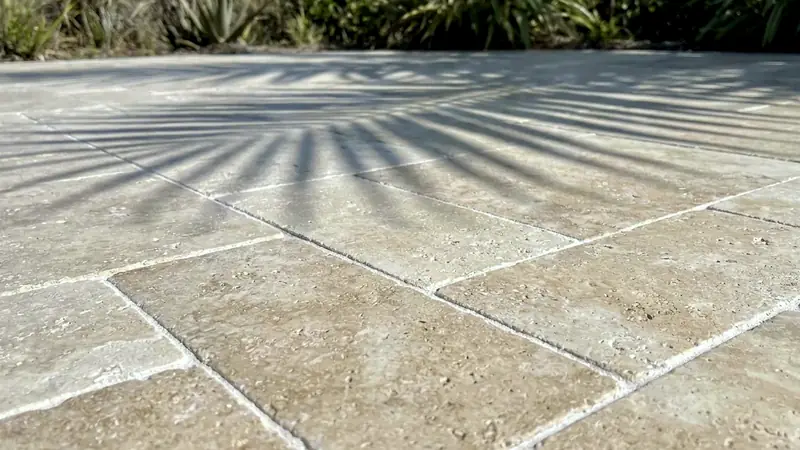
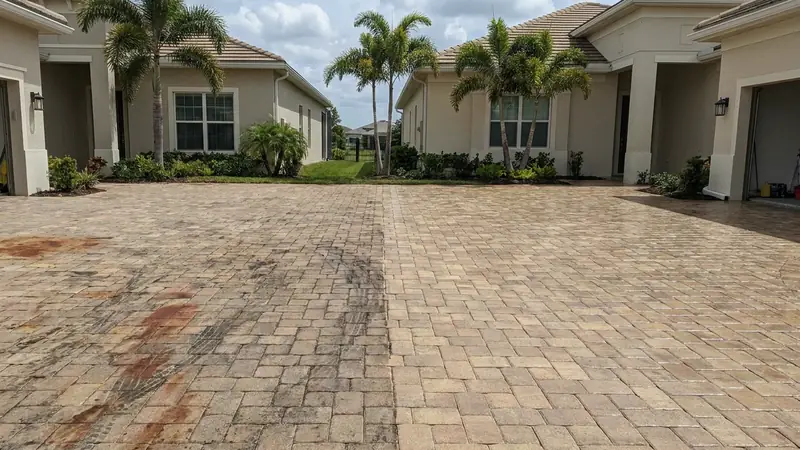
What do sealed pavers look like around Panama Park?
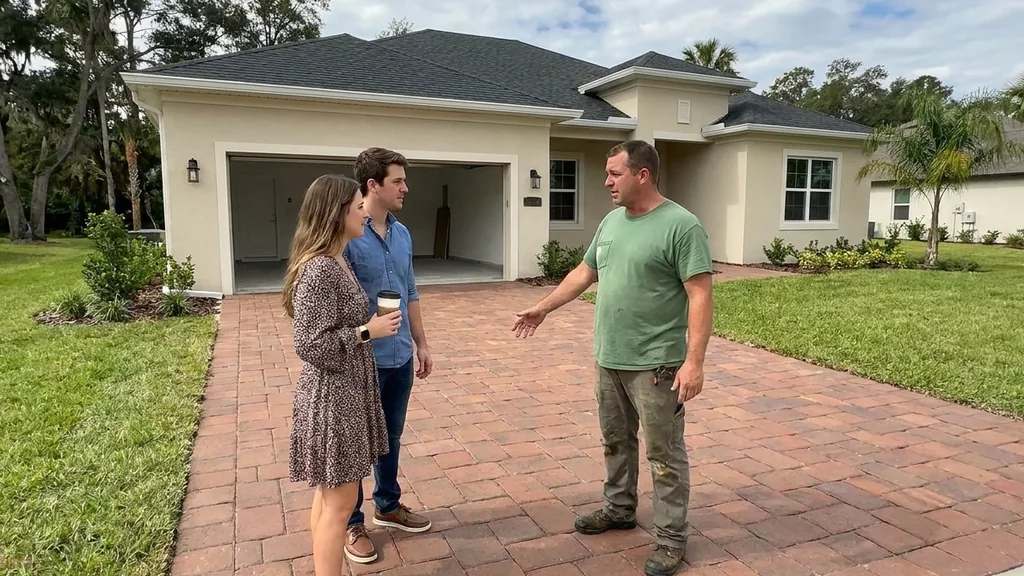
Why local matters in Panama Park
A contractor who works Northside streets knows the Trout River can rise in a big storm. A hurricane can flood neighborhoods that had stayed dry for years. That history decides how much washing a low driveway needs. To talk to a contractor who covers Panama Park, call (904) 914-8201.
Older blocks bring older trees, and trees bring leaf stains, roots and shade. A local contractor knows which parts of the job slow down under a canopy. Roots can lift pavers, and lifted pavers get reset before sealing. You can request your free estimate and ask how the plan handles a rooted walk.
Last, local knowledge helps with older lots and mixed housing. Panama Park has brick homes near 44th Street and historic homes on Oakwood Street. Each gets a different approach to access and rinse water. If that sounds like your street, request your free estimate and describe it.
How old is Panama Park, and does that history show on my street?
Panama Park is old enough that its first industry came before Florida was a state. Charles Sibbald built East Florida's first steam-powered sawmill here in 1828, and George Clark began selling lots in his railroad suburb in 1910. If your home is on one of those early blocks, request your free estimate.
Landmarks still mark the area. Panama Park at 6912 Buffalo Avenue sits on ten acres the city bought in 1929, and Bert Maxwell Boat Ramp opened beside the Trout River bridge in 1961. Panama Park Pharmacy on North Main Street has served since 1928. Near any of those spots, call (904) 914-8201 for a free look.
The Trout River shapes the area as well. It runs 20 miles through the Northside, and its lower end is brackish and 0.6 miles wide near the St. Johns. That is why a hard storm can push water up into low streets. If your pavers sit near the river, request your free estimate.
Frequently Asked Questions
Is it good to seal pavers in Florida, and in Panama Park?
Yes, for most driveways. A coat slows fading, locks in joint sand and stops weeds from rooting. Beneath Panama Park's older trees it also helps leaf stains rinse off. Plan to renew it as it wears. On older lots where records are missing, the first step is checking what is already on the stone.
Can I clean, sand and seal my pavers in one visit?
Yes, it is one job done in order across a day or two: wash, sand, a dry wait, then sealer. Rain can stretch the dry wait. Two or three days of dry weather around the job is the ideal window.
How long do paver sealers last in Panama Park?
Quotes usually span two to five years. Shade and constant dampness can shorten that, and so can tires. If water soaks in instead of beading, the coat has run its course. Walkways under trees tend to need attention sooner than an open drive.
What is the average cost to seal pavers in Panama Park?
The published going rate here is $1.75 to $3.25 per square foot to clean, sand and seal, and a strip-and-reseal after a failed coat costs more. The written quote should show the square footage. Get the quote in writing and ask what it includes.
Will sealing stop moss and green film on my Panama Park pavers?
It helps, but it does not repair a shaded, damp spot. A sealed surface rinses clean more easily. Trimming back branches and fixing drainage helps the coat last longer. Low pressure and a careful hand matter, because the surface can be damaged by too much force. A clean surface sheds green film more easily, but shade is still the cause.
Should I seal after a flood from the Trout River?
Only once the pavers are washed and fully dry. Silt has to come off, lost joint sand has to be replaced, and sunken areas get reset first. Sealing over a dip only keeps it. If storm water still stands on the drive, wait for it to drain before the visit. Wait until the stone is dry through, not just on top.
Why did my sealer turn white?
A Jacksonville company says white sealer usually traces to trapped moisture, failed sealer, too much product or poor prep. Failed sealer can often be stripped and applied again. Ask the contractor how they check the surface is dry. A tight, damp patio might need extra dry time, so ask about a second day. Ask the contractor what product went on, so you can note it for later.
How long until I can drive on a sealed driveway in Panama Park?
Per a Jacksonville company, walking is fine within a few hours while cars wait about a day. Weather and product type shift that, so ask for the cure time in writing. Cure time depends on the product and the weather.
Do I need to seal pavers on an older Panama Park lot with big trees?
It helps more there than on an open lot. Shade keeps pavers damp, and leaf stains settle in. A coat makes the surface easier to rinse and slows green film. It does not replace trimming branches or fixing a drainage dip.
Can I seal part of my Panama Park lot now and the rest later?
Usually yes. Ask the contractor to price the drive, the walks and any patio as separate areas on the written quote. Then you can pick the worn drive first and wait on the rest. Keep the product name, so a later coat on the other areas matches the first.
What part of Jacksonville is Panama Park?
Panama Park is on Jacksonville's Northside, about five miles north of downtown. A steam-powered sawmill stood there as early as 1828, and the neighborhood was planned as a railroad suburb in 1905. It sits near the Trout River and North Main Street.
What finish looks right on an older Panama Park home?
Matte keeps pavers quiet beside brick and older siding, and a wet look adds depth but shows scuffs sooner. Near 44th Street most homes are brick, and Oakwood Street has historic homes, so a calm finish often suits. The choice is yours, and the contractor can show samples.
Ready for a Free Estimate in Panama Park?
Call (904) 914-8201 and tell us about your pavers.
Free, no obligation